
Evidence Summaries
What does the research currently tell us?
Clear summaries of the evidence behind different areas of rebuilding.

The Rebecca Rebuild Institute
Treatment may end. Recovery doesn't.
We're building a free, evidence-informed pathway to help people understand how to rebuild their health, strength and confidence after cancer and other intensive treatments.
In memory of Rebecca Drinkwater.
The Gap
Modern medicine is remarkable at fighting disease.
But when intensive treatment ends, many people enter a very different phase of the journey.
They may be exhausted. Sleep can be disrupted. Strength can disappear. Appetite, digestion and nutrition can change. The body may feel different.
And after months or years focused on simply surviving, people can be left wondering:
What do I do now?
There is good research. There are survivorship guidelines. And there are extraordinary clinicians and researchers doing important work.
But for the person trying to rebuild their health, the information can be difficult to find, fragmented across different disciplines, or hard to translate into practical next steps.
We want to help close that gap.
A Pathway for Rebuilding
The more we explored what happens to people during and after intensive treatment, the clearer something became.
Rebuilding can involve many interconnected parts of health.
Sleep and the nervous system. Movement and strength. Food and nutrients. Energy and metabolism. The gut and immune system. Emotional recovery. Connection, confidence and purpose.
And every person arrives at recovery with a different body, treatment history and set of needs.
So rather than treating recovery as one problem, we are developing a framework to help people understand the different pieces.
The Rebuild Blocks are the framework behind what we're building at The Rebecca Rebuild Institute.
They are not a treatment protocol or a replacement for medical care.
They are a way of bringing together evidence, expert thinking and practical guidance into a pathway that can help people understand the areas that may matter as they rebuild their health.
Understand your unique needs.
Every person, every illness and every treatment journey is different. Rebuilding should begin by understanding the individual.
Steady your system.
Sleep. Fatigue. Gentle movement. Stress and nervous-system regulation. Helping the body begin to move beyond survival mode and feel steady again.
Restore the foundations.
Food. Protein. Hydration. Nutrients. Digestion and absorption. Giving the body the raw materials it needs to rebuild.
Support energy and metabolism.
Understanding the systems involved in producing and regulating energy as the body recovers.
Support the body's natural recovery processes.
Exploring how the body's own systems process and eliminate what it no longer needs, safely and in the right clinical context.
Rebuild gut and immune resilience.
Exploring the gut, microbiome and immune system, and their role in longer-term recovery.
Build your new normal.
Turning recovery into sustainable habits, rebuilding confidence and reconnecting with the people and purpose that make life meaningful.
The Rebuild Blocks are an emerging educational framework. They will evolve as we review the evidence and work with researchers, clinicians and people with lived experience.
Where We're Starting
We have a big vision for the Rebuild Blocks.
But we don't want to rush it.
We want to build each area carefully, reviewing the evidence, bringing together the right expertise and translating what we learn into something people can actually understand and use.
So some of our first major resources will focus on two of the earliest areas of rebuilding:
STABILISE + REPLENISH
Before rebuilding, sometimes you first need to feel steady again.
Treatment can put enormous physical and emotional demands on a person.
And those effects don't necessarily disappear the day treatment finishes.
Fatigue may persist. Sleep may be disrupted. People can feel anxious, hyper-alert or simply exhausted. Movement that once felt effortless may suddenly feel difficult.
So one of the first Rebuild resources we're developing will explore the evidence around helping the whole system begin to stabilise.

We intend to explore:
Our working Rebuild framework recognises that persistent fatigue, disrupted sleep, movement, nervous-system regulation and emotional safety can all form part of the early rebuilding picture.
There isn't one answer for everyone.
Our job is to examine the evidence, bring together different areas of expertise and translate what we learn into something people can understand.
That's what we want the Rebuild Blocks to do.
Give the body the raw materials it needs to rebuild.
Nutrition during and after intensive treatment can be complicated.
Appetite may change. Food may taste different. Digestion and absorption can be affected. People may lose weight, muscle and strength.
And what someone needs can vary enormously depending on their illness, treatment, side effects and individual circumstances.
That's why “eat healthily” isn't always a useful enough answer.
We want to build a resource that helps people understand the role nutrition can play in rebuilding health, while recognising that individual needs can be very different.
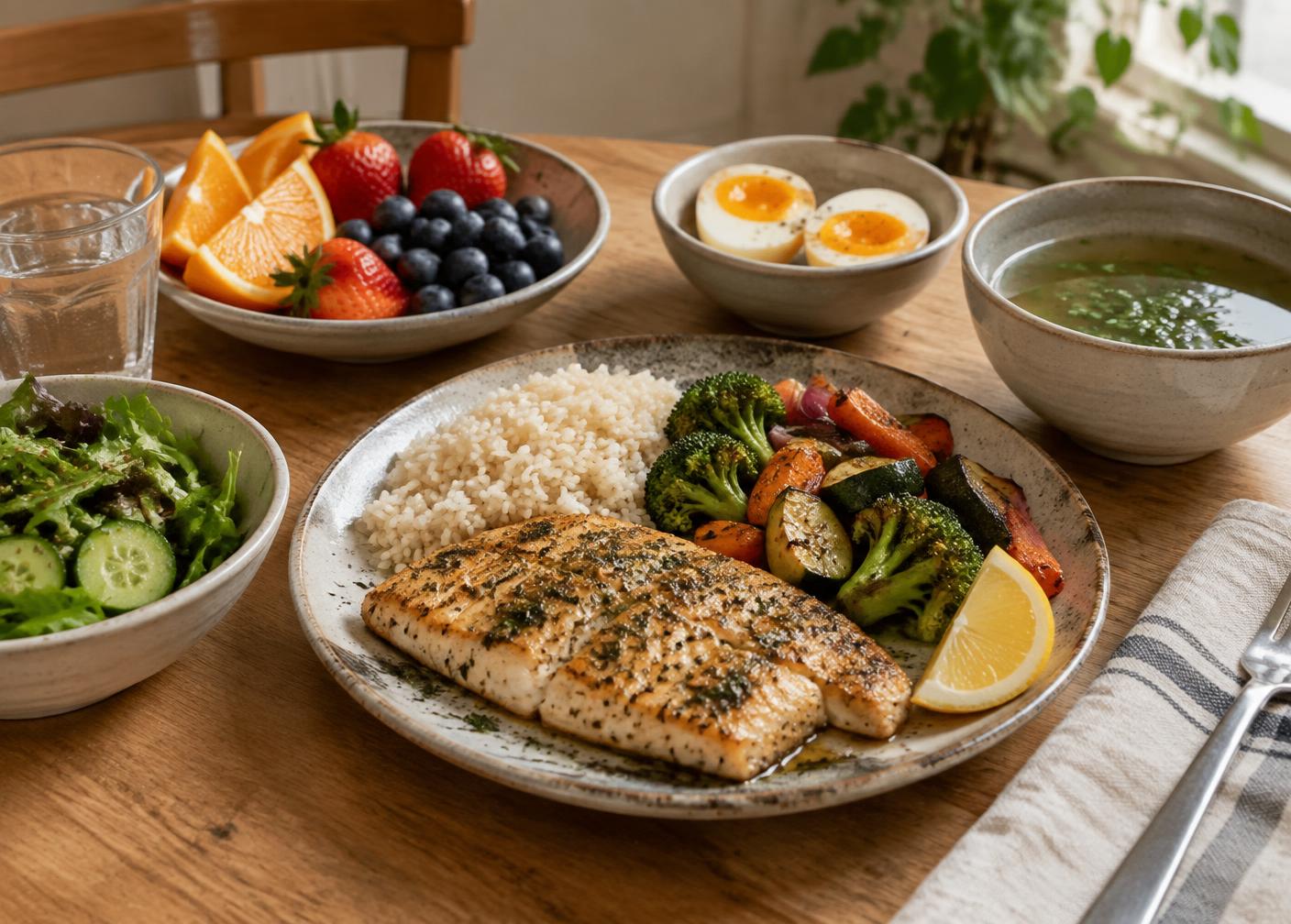
We intend to explore:
Rebuilding nutrition isn't simply about food.
Treatment can affect nutrient status as well as the gut's ability to absorb nutrients, which is why the RRI framework considers both replenishment and absorption as part of rebuilding.
RRI wants to bring together the evidence and translate it into guidance people can actually understand.
What Your Donation Can Build

Imagine finishing months of intensive treatment and having one trusted place you could go.
A place where you could start with the questions going around in your head:
And instead of disappearing down an internet rabbit hole, you could begin exploring clear, carefully researched information designed around rebuilding health.
That is what we want to build.
Help us build it - DonateWhat We're Building
Our ambition is to create a free global resource bringing the Rebuild Blocks together in one place.
A place where people rebuilding after treatment can explore the evidence, understand the different parts of recovery and feel better equipped to ask questions and make informed decisions about their health.
Over time, each Rebuild Block could contain:
What does the research currently tell us?
Clear summaries of the evidence behind different areas of rebuilding.
Turning complex science into understandable information.
Resources designed to make important research easier to understand and apply to real life.
Helping people have better conversations with their healthcare professionals.
Questions and prompts to help people understand what may be worth discussing with their medical team.
Bringing together different areas of expertise.
Insights from researchers, clinicians and specialists working across different aspects of recovery.
Helping people navigate their rebuilding journey.
Practical resources that make the evidence easier to understand and use.
Because no two rebuilding journeys are the same.
Over time, we want to explore ways of helping people navigate information according to their individual circumstances.
Free to access. Wherever you live.
Help Us Build It
The Rebuild Blocks exist today as a framework. The next job is the hard part.
Researching them, testing the thinking, working with experts, developing the content, designing the tools and building the technology that can put them into people's hands.
Every donation helps us move another step closer.
Your Support Can Help Fund:
While our charitable registrations are being established, donations are currently being collected through our GoFundMe. Please see the donation page for current information about charitable registration and tax deductibility.
What We Do
01
Turning evidence into a pathway people can use.
Our Rebuild Guide & Portal will bring together research, expert perspectives and practical guidance across the seven Rebuild Blocks.
Our ambition is simple:
Make good information easier to find, easier to understand and freely available to the people who need it.
Explore the Rebuild Blocks →02
Helping find better answers.
There is already important research into survivorship and the long-term effects of treatment.
There are also questions that still need better answers.
The Rebecca Rebuild Institute aims to bring together existing evidence, identify important gaps and, as we grow, support independent research into how people can rebuild their health and wellbeing following intensive treatment.
Explore Rebuild Research →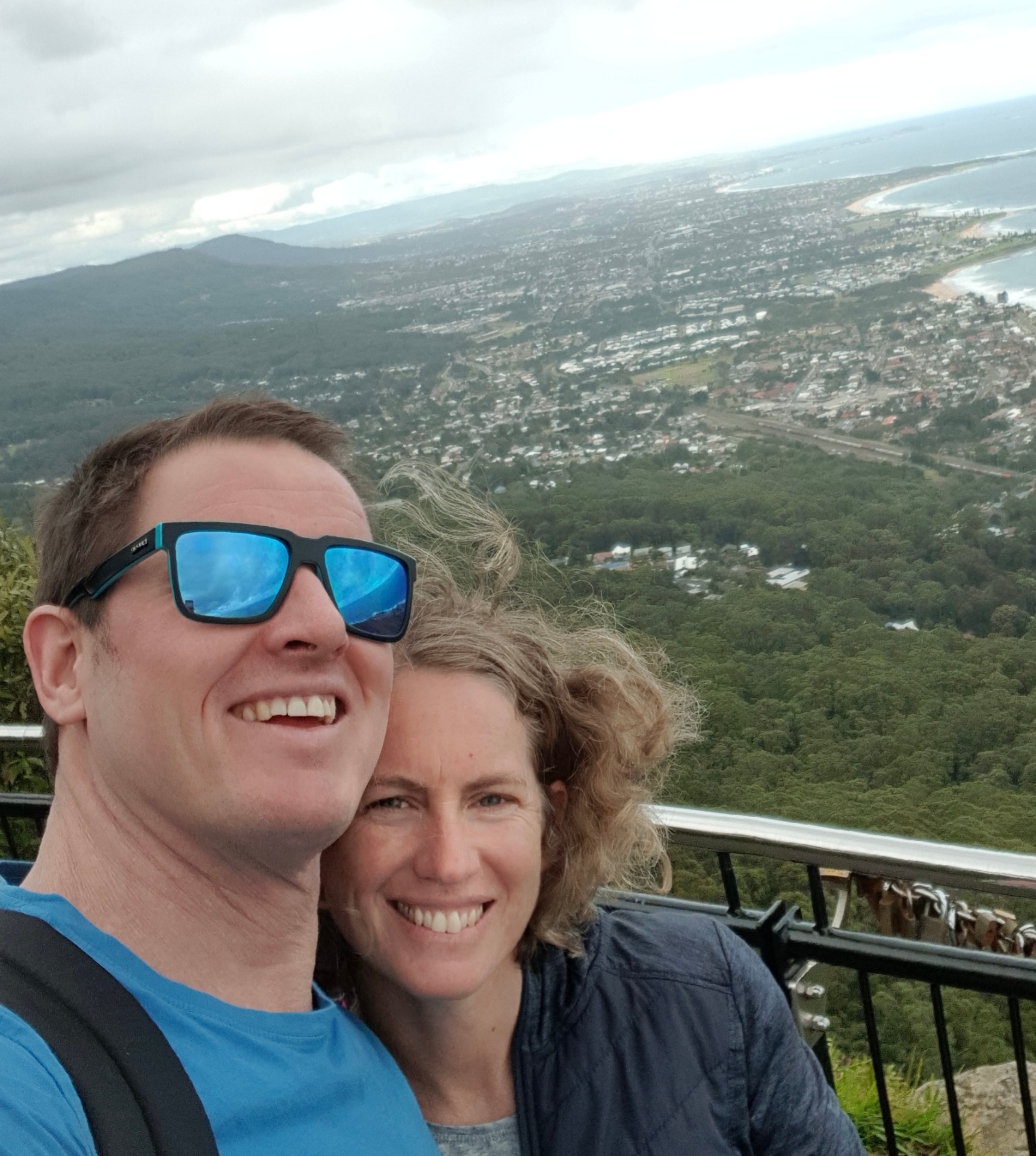
Rebecca's Story
My name is Peter Drinkwater and I was Bec’s husband. She passed away from leukaemia and lymphoma in 2023, at the age of 46 when the kids were still very young. Rebecca went into remission four times, but then relapsed four times.
Every time we would come home after the remission we would be very happy but also she still felt so tired and we were confused knowing what to do and where to turn next. We didn’t know what to cook, what was healthy for her, how could she rebuild her strength and how could she deal with the very real anxiety of relapse.
Everything we read on the internet was so complicated and contradictory and we didn’t know where to turn.
So it was her idea to set up a place where people could get access for free to all the science and evidence out there on how to rebuild your health step by step. That is how the Rebecca Rebuild Institute originated, it was her vision to help many families hold remissions as long as possible.
“I want to be given all the information
Rebecca
so I can take control of my own health again.”
Before she passed, Rebecca and I talked many times about the people who would come after her: people finishing treatment, families searching for answers, people trying to rebuild their health.
We kept coming back to the same thought: someone needs to build this properly.
So I am building it in her name.
Why It Matters
Medicine rightly focuses enormous effort on treating disease. The Rebecca Rebuild Institute wants to focus on another question: what happens afterwards? How do we help people rebuild their health?
Not by promising cures, not by replacing doctors, and not by pretending there is one answer for everyone. But by bringing together the best evidence we can find, asking better questions, working with the right people and making what we learn understandable and accessible.
Because people deserve more than simply being told treatment is over.
They deserve help understanding how to rebuild.

We're at the beginning. The seven Rebuild Blocks are taking shape, the first resources are being developed and the research is being gathered. And there is a lot still to build.
With your help, we can build it properly, and make it freely available to people trying to rebuild their health after treatment.
Donations are currently being collected through our GoFundMe while our charitable registrations are being established. Please see our donation page for the latest information about charitable registration and tax deductibility.